Flori · Joint product in development
Plant care that fits into everyday life.
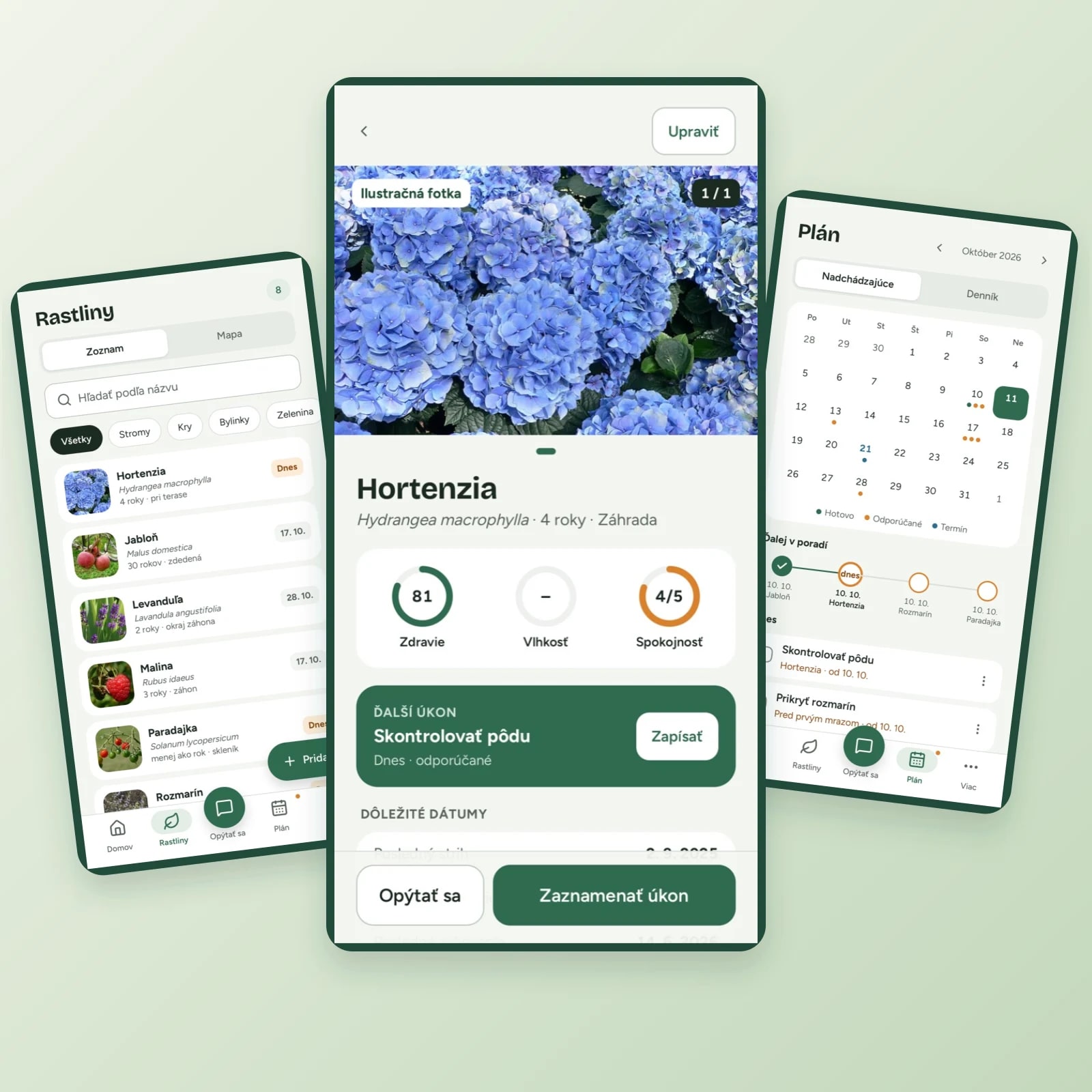
We are building Flori with Samuel Wittlinger. It helps identify a plant from a photo and turns care for a garden or houseplants into a practical plan.
Information
- Project
- A joint product by Rise and Samuel Wittlinger
- Stage
- In development. Early access sign-up is open.
- Platforms
- Web and a mobile app being built for iOS and Android
- Our work
- Product decisions and UX/UI. App development and data work. We also prepare launch marketing.
Technology
- React Native
- Expo
- TypeScript
- Next.js
- PostgreSQL
- Reanimated
What you will learn
- 01Taking an idea into a working interface.
- 02Making motion explain what the app is doing.
- 03Sharing the right foundations between mobile and web.
- 04Keeping AI uncertainty visible to the user.
01
An idea from Žilina, with work continuing beyond the weekend.
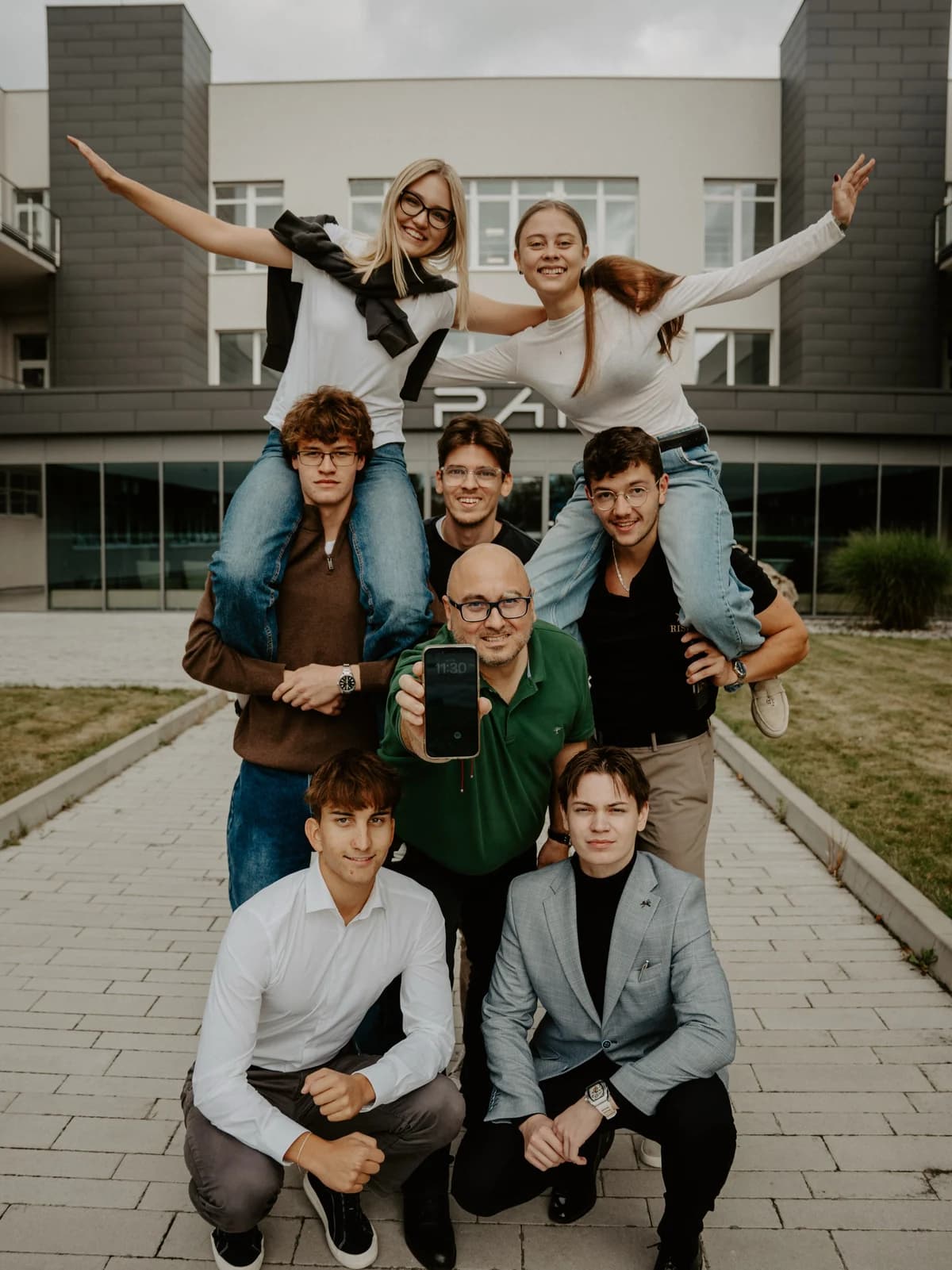
Flori began at Startup Weekend Žilina. The event gave the idea a starting point. We have since continued building a product for people who want a clearer way to look after their plants.
We are developing the product with Samuel Wittlinger. INOVIA co-organised the event. The team photo documents those beginnings, while the app screens show the work that followed.

02
A photo should lead to a useful next step.
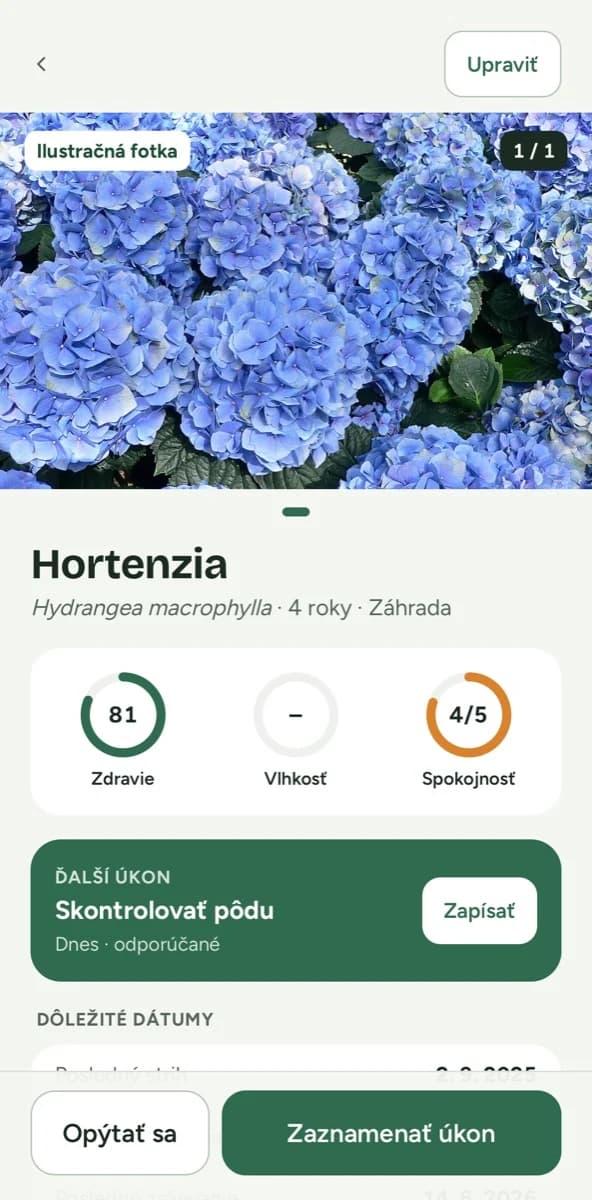
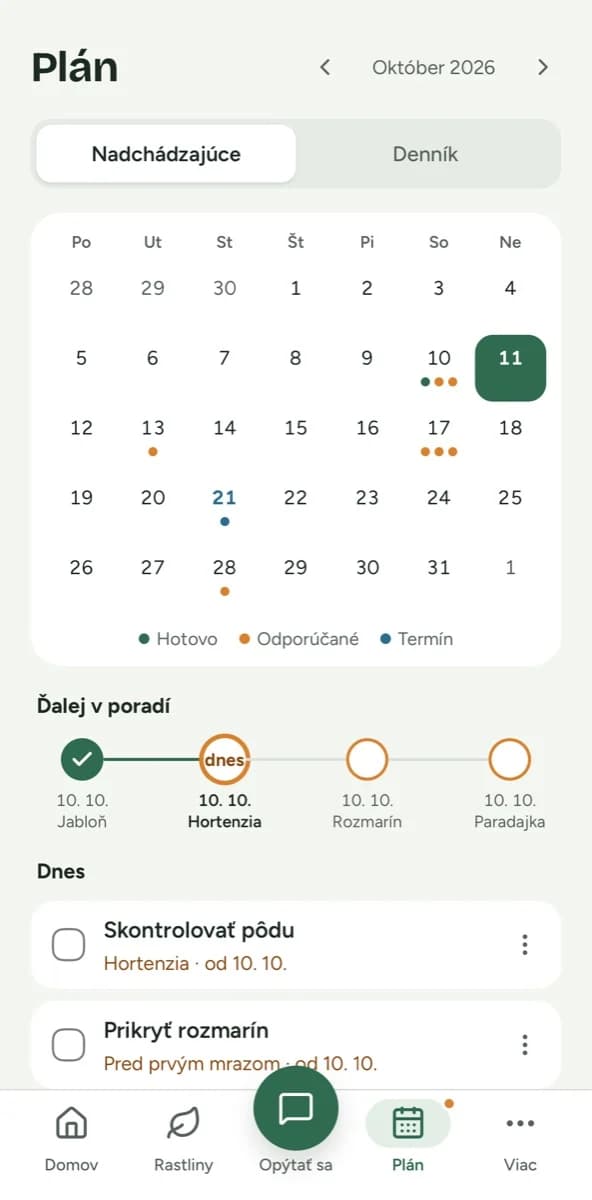
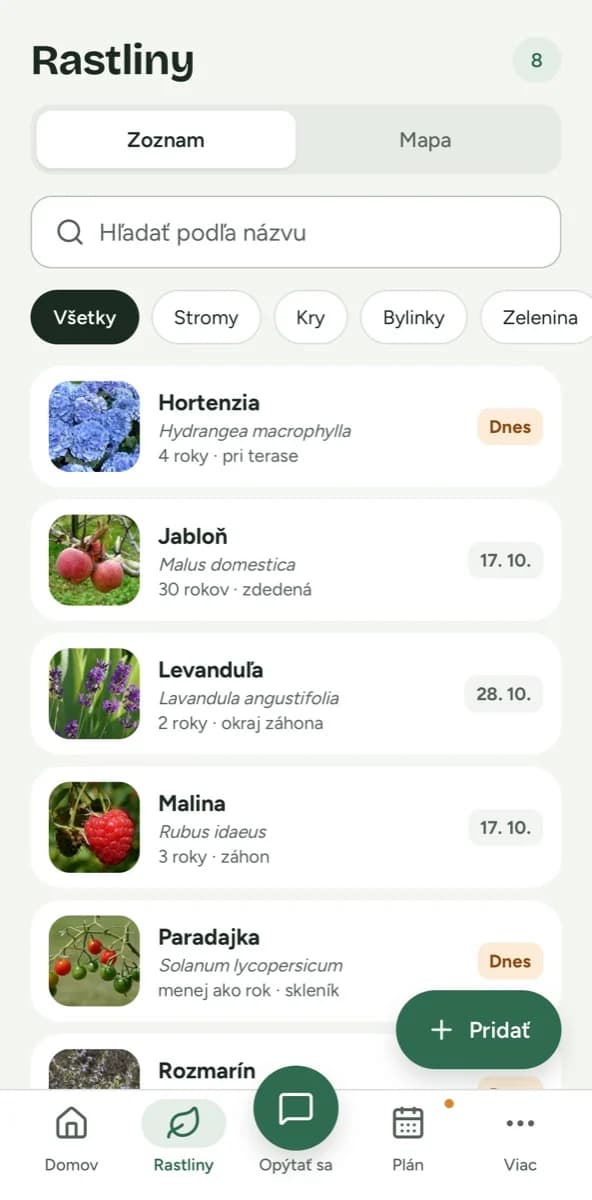
Identification is only the beginning. Flori connects a plant to its own card and a care plan, so the next action is easier to find than another search result.
The web app connects plant records with tasks and a journal. Mobile development follows the same flows. For now, the public site invites people to join the early access list.
03
One design language, adapted to each platform.
We start with the task someone has in front of a plant. That shapes navigation and information order. Shared components and design tokens give Flori a recognisable interface.
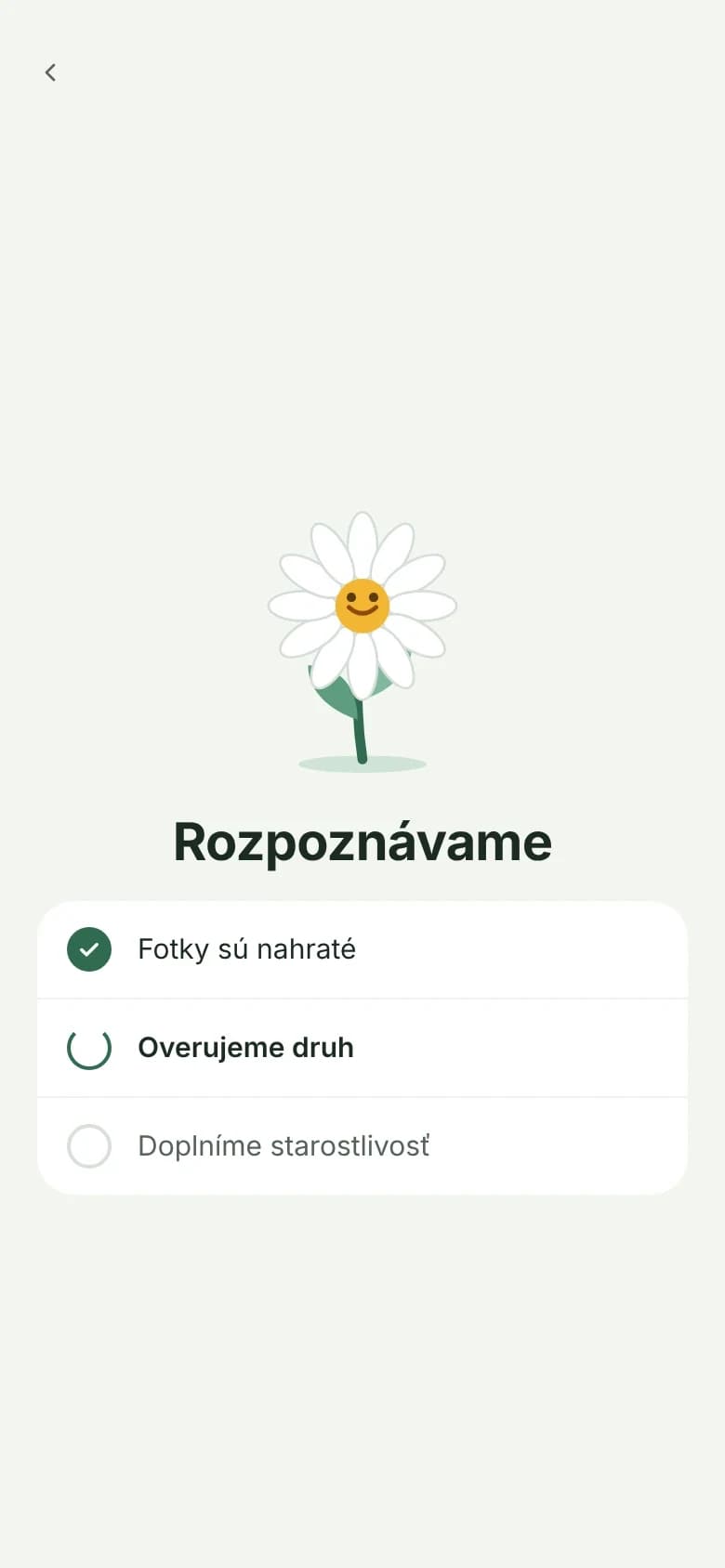
An attractive card is not the whole design. Empty lists and pending photos need attention too. We also design for incomplete answers, readable text and controls that are easy to reach.
04
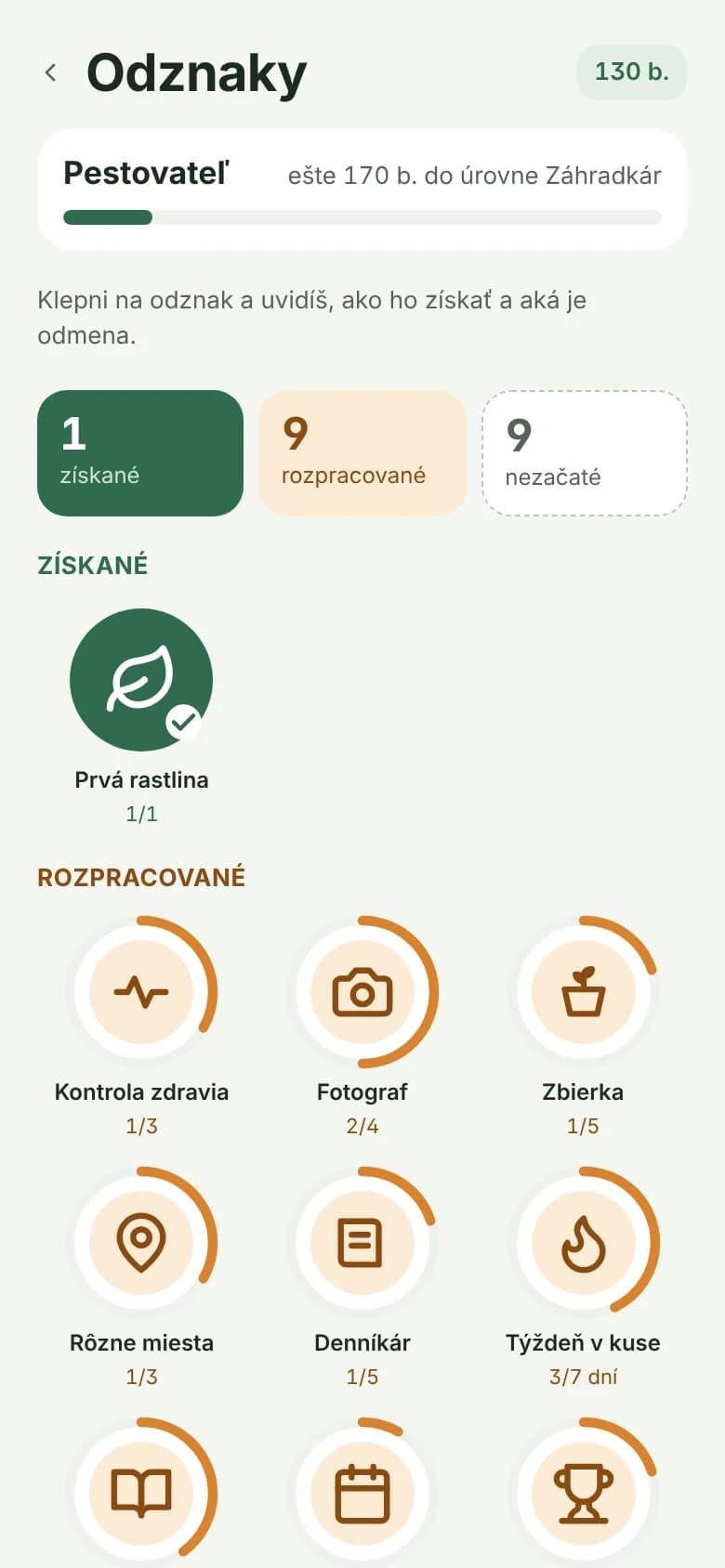
Motion explains progress. A badge marks a small win.
The animated introduction explains the product through short scenes. Its mascot adds character. Badges recognise ongoing care, while everyday actions should still stay quick.
Mobile motion uses Reanimated alongside native transitions. Sheets preserve the context of the current task. Reduced-motion preferences turn animations off.
05
Plant data and AI for everyday care.
Flori connects plant identification to care information. On 17 October 2026, our flora index contained 4,119 unique species records. Not every record has a complete care plan yet.
The mobile app has five main navigation sections. The code contains 43 screen routes including dialogs, plus eight introduction scenes. The route count excludes layouts and technical experiments.
These figures come from an internal inventory of code and data on that date. They do not count released or fully tested screens. When AI needs more information, the answer should make that clear.
06
A foundation for the next stage of the product.
Next.js powers the web version. The mobile app uses React Native and Expo. Shared types and domain rules connect to PostgreSQL-backed data, keeping the platforms aligned as work continues.
We are preparing Flori for its first users as development continues. For a similar product, an online store integration can follow the needs of the business.